
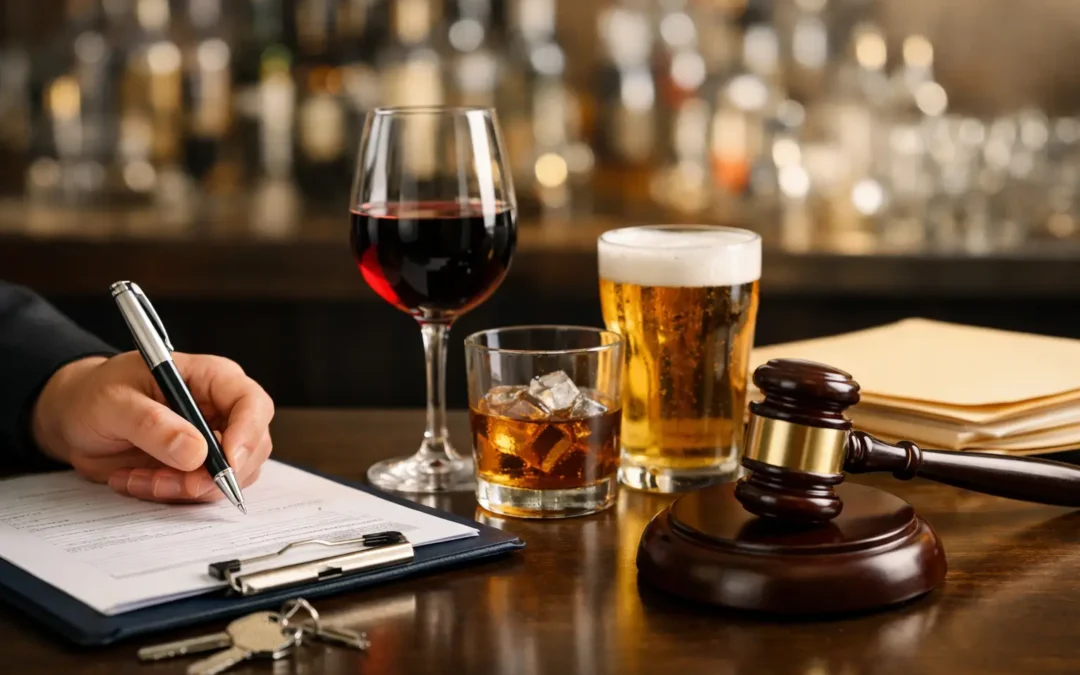
A great venue can have the right site, a sharp menu and a brilliant team, then still lose weeks to a liquor licensing application that was treated as an afterthought.The paperwork matters, but so does the story behind it: how will you keep patrons safe, manage noise, supervise service and respond when things go wrong?
Liquor licensing is not one national process. Each territory has its own regulator, licence categories, fees, training rules and local requirements. A small restaurant in Wellington, a bottle shop in Taupo and a pop-up bar at Britomart event may all sell alcohol, but their obligations can look very different. The practical starting point is understanding the operation you are actually proposing – not choosing a licence name that sounds close enough.
Start with the way you plan to trade
Before filling in an application, map out the real-life version of your business. Will alcohol be served with meals, sold for takeaway, delivered, consumed on-site, supplied at a ticketed event, or offered as part of accommodation? What are your trading hours? Will there be live music, a footpath area, gaming, security staff or late-night trade?
These details can affect the type of licence you need and the conditions attached to it. A restaurant may be expected to operate as a genuine dining venue, while a bar licence may permit a different style of trade. A producer, wholesaler or online retailer can face another set of rules again. Temporary events are often covered by a limited or short-term approval, but those applications still need lead time.
Do not assume an existing liquor licence will automatically suit a new operator. Taking over a venue, changing its concept, extending trading hours or adding an outdoor area can trigger approvals, variations or new conditions. The lease, planning approval and liquor application need to line up. If one document says midnight and another says 10 pm, expect questions.
Liquor licensing starts before the application
The strongest applications are usually built before the forms are lodged. Regulators and local stakeholders want confidence that alcohol will be sold responsibly, not simply that the applicant has completed a form.
Your application may require plans, proof of occupancy, personal information, business details, proposed trading hours and evidence of public notification. Depending on the jurisdiction and licence type, you may also need a harm-minimisation plan, community impact material, a security plan, a management plan or consent from the local council. Planning permission and liquor approval are separate processes in many areas, so one does not replace the other.
Give yourself room for consultation. Police, councils, residents, nearby businesses and health authorities may be able to comment on an application in some jurisdictions. Objections are not guaranteed, but late-night noise, parking, anti-social behaviour and a concentration of existing licensed venues can all become concerns. A clear plan for queues, smoking areas, rubbish, transport and patron dispersal makes a difference because it shows you have thought beyond the bar.
Your premises plans need to match service reality
Plans are more than a box to tick. They should show where alcohol is stored, served and consumed; where staff can supervise; how patrons enter and leave; and how restricted areas are controlled. If your proposed layout includes a beer garden, function room or footpath dining, make sure it is included from the start.
Think about sightlines. Can staff see who is entering? Can they monitor a busy courtyard? Is there a sensible place for ID checks? A beautifully designed venue with blind corners and an awkward entry can create avoidable service risk every Friday night.
Get the right people trained early
Responsible Service of Alcohol, is central to lawful alcohol service across New Zealand. Requirements vary by jurisdiction, including which training provider is accepted, whether a competency card or statement is needed, and how often staff must refresh their training. Check the rules where the venue operates before rostering anyone to serve alcohol.
Training should not be treated as a once-only certificate chase. Your team needs to be confident with the moments that happen during a packed shift: checking ID without causing a scene, refusing service to an intoxicated regular, managing a group buying drinks for one person, recording incidents and calling for support early.
All Venues require an approved manager, licensee, nominee or similar responsible person to hold a particular qualification or approval. That person needs to understand the licence conditions, not just have their name on the paperwork. If they are away, the business should still know who is in charge and what authority they have.
A practical induction brings the paperwork to life. Cover your house policy, acceptable ID, minors on the premises, drink promotions, water and food availability, incident reporting, security escalation and how staff can ask for backup. Role-play is worth the few extra minutes. It is far easier to practise a polite refusal at pre-shift than improvise one in front of a crowd.
Build systems that work on a Saturday night
A licence condition is only useful when your team can follow it under pressure. Put the important procedures where people need them: in manager handover notes, staff induction, incident registers, venue checklists and pre-shift briefings. Keep records organised and accessible. During an inspection, vague memories are less useful than clear evidence of what happened and how the venue responded.
Your systems should cover four everyday pressure points:
- checking IDs and preventing secondary supply to minors
- recognising and responding to intoxication before it escalates
- documenting incidents, refusals and security issues consistently
- managing noise, queues, exits and safe transport at close.
The right approach depends on the venue. A quiet wine bar may need a different security plan from a late-night live-music venue. A restaurant with families needs a clear approach to minors, while a takeaway-focused business needs strong controls around off-premises supply and delivery. Copying another operator’s policies without changing them for your site is a common and costly shortcut.
Promotions deserve a second look
Promotions can bring energy to a venue, but they can also encourage rapid or excessive consumption. State and territory laws may restrict particular promotions, advertising claims, happy-hour practices or drinking games. Even where a promotion is technically permitted, ask whether staff can supervise it safely and whether it fits your brand.
Good promotion is not about pushing the biggest possible volume in the shortest possible time. It is about giving customers a reason to come in, stay well looked after and leave safely. Food offers, low-alcohol choices, table service and clear transport messaging can support a better night for everyone.
Common liquor licensing mistakes to avoid
The first mistake is leaving the application until the fit-out is nearly finished. Approval timeframes can change, requests for more information can arrive, and consultation may take longer than expected. Build licensing into the project timeline alongside lease negotiations, design, council approvals and recruitment.
The second is underestimating operational detail. Saying staff will monitor intoxication is not the same as explaining who monitors it, when they intervene, how they record an incident and who supports them. Regulators want workable controls, and so do good staff.
The third is assuming compliance ends when the licence is granted. Licence conditions, RSA records, signage, trading-hour rules and management practices need ongoing attention. A change in ownership, layout, entertainment, hours or business model can require further action. Put licence review dates in the same calendar as equipment servicing and staff training.
Finally, avoid guessing. Read the current guidance from your state or territory liquor regulator, speak with the relevant council where needed, and get qualified advice for complex applications, objections or enforcement issues. A quick conversation early can prevent an expensive redesign later.
Treat your licence as part of the guest experience
The best-run licensed venues do not make responsible service feel cold or confrontational. They make it part of good hospitality. Staff greet people, notice changes in behaviour, offer water and food naturally, communicate with each other and step in before a situation becomes everybody’s problem.
That is the real payoff of doing liquor licensing properly. You are protecting your approval to trade, your team and your neighbours, while giving good customers the kind of night they will happily come back for. Set up the rules clearly, practise them often, and let your hospitality do the rest.