
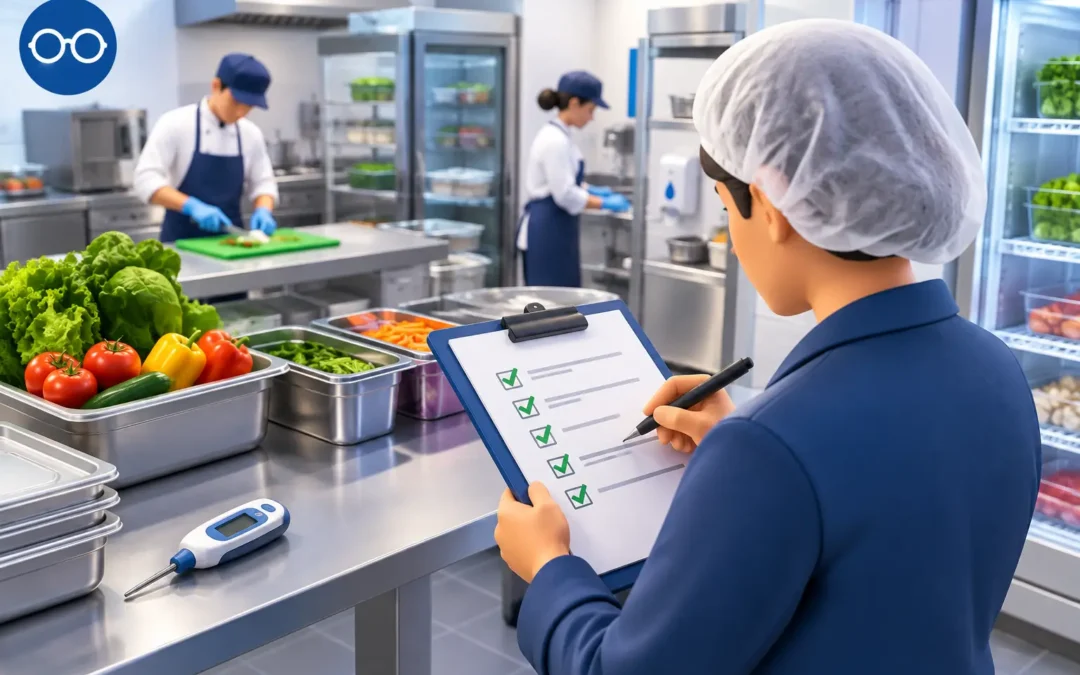
An audit should not be the first time you discover the probe thermometer is missing, the handwash sink is blocked by boxes, or nobody can explain the cooling record. A practical food safety audit checklist NZ gives your team a calm, repeatable way to check the real work – not just the folder on the office shelf.
For cafés, restaurants, caterers, butchers, retailers and event teams, the goal is simple: make safe food the normal way of working on every shift. Then an auditor or verifier is seeing a system your team already understands, rather than a last-minute clean-up effort.
What a food safety audit is really checking
In New Zealand, the detail of an audit or verification depends on the food control plan, national programme, food type and your local authority arrangements. Your business may have different records, procedures and verification intervals from the venue down the road. That is normal.
What does not change is the underlying question: can you show that food risks are being controlled in practice? An auditor will look at what staff do, ask questions, inspect the premises and equipment, and review records where they are required. A spotless bench helps, but it will not fix poor temperature control, unclear allergen information or a team member who has not been trained to report illness.
The best preparation is therefore part paperwork, part walk-through and part conversation. If your newest team member can explain the safe process clearly, you are in a much better place.
Food safety audit checklist NZ teams can use weekly
Use this as an internal check before a verification, after a menu change, when you bring new people on, or simply as a regular reset. Assign the check to someone who understands the operation, then fix issues with an owner and a due date. A checklist that sits unsigned in a drawer does not protect anyone.
Start with people, hygiene and illness
Watch a service period if you can. What people actually do when it gets busy matters more than what they say they would do.
Check that staff can access handwashing facilities with soap, warm running water and suitable drying. Make sure sinks are being used for hands rather than for food prep, equipment or storage. Confirm that clean uniforms and protective clothing are available where needed, and that staff know when gloves are useful – and when handwashing is still required.
Your team should also know the illness rule. Anyone with vomiting, diarrhoea, jaundice or a condition that could contaminate food needs to tell a manager and stay away from food handling as directed. This can feel awkward in a small team, especially on a packed Saturday, but one poorly handled illness can create a far bigger staffing problem.
Check temperature control from delivery to display
Temperature control is one of the quickest places for small gaps to become a food safety risk. Do not only check the fridge display. Use a clean, sanitised probe thermometer and check food temperatures where appropriate.
Work through the journey of higher-risk food: receiving, storage, preparation, cooking, cooling, reheating, hot holding and display. The exact critical limits and actions must match your plan and product, so keep your business procedures close at hand. What matters is that staff know the limit, know how to measure it, and know what to do if the result is outside it.
Pay attention to practical pinch points: an overfilled cool room after delivery, a fridge door left open during prep, hot food waiting for collection, or a large batch being cooled in a deep container. These are common because they happen during normal service, not because anyone is careless.
Look for cross-contamination risks
Take a lap through the kitchen, chiller, storage area and service counter with fresh eyes. Raw food should be separated from ready-to-eat food, both in storage and while preparing it. Cleaning chemicals need clear labelling and safe storage away from food and packaging.
Check that boards, knives, slicers, benches and cloths are being cleaned and sanitised in the right order. Cleaning removes visible soil; sanitising reduces microorganisms to a safe level when used correctly. A spray bottle with no label, no mixing instructions or no contact time is a red flag, even if the bench smells lemony.
Also look up and down. Ceiling dust, damaged seals, chipped food-contact surfaces, poorly maintained drains and clutter under benches can all make cleaning difficult. You do not need a show-home kitchen. You need premises that can be effectively cleaned and maintained.
Review allergen controls carefully
Allergen management is not just a front-of-house script. It begins with correct ingredient information and continues through storage, prep, cooking, packaging and service.
Make sure recipes, supplier specifications and menu information are current. A changed sauce, garnish or supplier can change an allergen answer. Staff should never guess when a customer asks about an allergen. They need a clear escalation path, whether that is the chef, manager, recipe file or approved product information.
Check for cross-contact too. Shared utensils, fryers, chopping boards, scoops and display areas may create risk depending on the food and the claim being made. Be honest about what your kitchen can safely provide. It is better to give a clear, accurate answer than a reassuring one that cannot be backed up.
Inspect cleaning, maintenance and pest controls
A verifier will notice whether your cleaning system makes sense for the premises. Check schedules are specific enough to be useful: what gets cleaned, how often, by whom, with which product, and how staff know it has been done. If a task is missed, record the correction rather than quietly ticking a box later.
Walk around the building edges, rubbish area, dry store and under equipment. Look for pest activity, leaking pipes, cracked tiles, damaged shelving and rubbish that is overflowing or uncovered. These issues are easier and cheaper to manage when caught early.
Keep chemical safety information available to staff, and make sure chemicals are decanted only into correctly labelled containers. A mystery blue liquid near food is not a system.
Make records useful, not theatrical
Records are evidence that your controls are happening. Depending on your plan, this may include temperature checks, corrective actions, supplier details, cleaning checks, staff training, pest visits or calibration records.
The common mistake is treating a record as a form-filling exercise. A row of perfect fridge temperatures written in the same handwriting at the end of the week is less helpful than a genuine record showing a problem, an action and a result. Auditors understand that equipment can fail. They want to see that your business noticed and responded.
Keep records easy to find, readable and relevant to the current operation. Remove old versions of procedures that could confuse staff. If you use digital records, check the person on shift can access them, not just the owner from their laptop at home.
Run a short team audit before the real one
A 20-minute pre-audit huddle can reveal more than an hour of manager-only paperwork. Choose a few real scenarios: a fridge is running warm, a customer asks whether a dish contains nuts, a delivery arrives with damaged packaging, or a staff member reports being unwell. Ask the team what happens next.
Keep the conversation supportive. The point is not to catch someone out. It is to find where the system is unclear, impractical or missing. If staff are making workarounds because the handwash sink is inconvenient or the record takes too long during service, listen to that feedback. The fix may be better layout, clearer instructions or training that uses your actual workplace examples.
For teams needing a confidence boost, recognised food safety training can turn audit language into everyday habits. Innovative Hospitality keeps training practical, inclusive and grounded in the situations hospitality teams face, so the learning can be put to work on the next shift.
What to do when you find a gap
Do not wait for audit day to deal with a problem. Isolate unsafe food if necessary, correct the immediate issue, record what happened, and work out why it happened. Then put a control in place that will still work when the venue is busy and the usual manager is off.
Some fixes are quick: replace a damaged chopping board, label the chemical bottle or retrain a new starter. Others may need maintenance, supplier follow-up or a change to the menu process. Prioritise issues that could directly cause harm, then schedule the rest and check they are actually completed.
A good food safety system is not about pretending nothing ever goes wrong. It is about giving your people the knowledge, tools and permission to put things right early – before a small slip becomes somebody else’s bad day.