
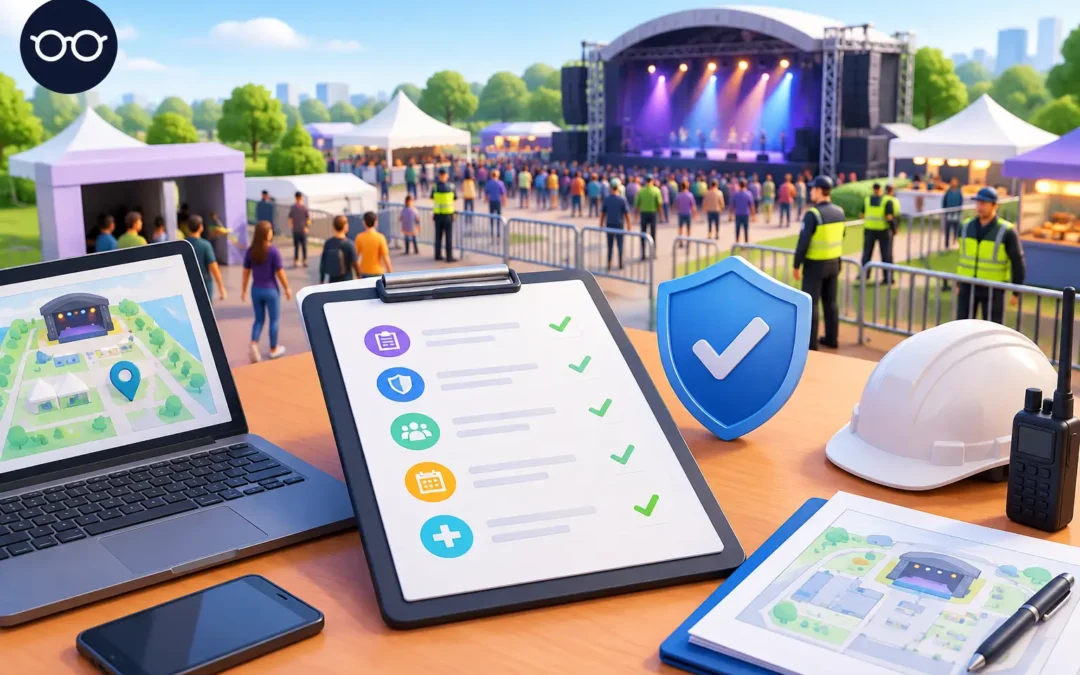
A great event can be remembered for the band, the food, the turnout or the cause it supported. It can also be remembered for the queue at the bar, an underprepared team or a licence issue that should have been sorted weeks earlier. Good event licence planning gives organisers the breathing room to focus on the experience while keeping alcohol service safe, lawful and well managed.
Whether you are putting on a one-off fundraiser, a ticketed music night, a corporate function or a community festival, the licence is not a formality to tack on at the end. It shapes where alcohol can be sold or supplied, who is in charge, how guests are supervised and what your team needs to do when the pressure comes on.
Start event licence planning before you announce the event
The first question is simple: will alcohol be sold, supplied or included as part of a ticket, package or entry arrangement? If so, you may need a special licence. The answer can change depending on the venue, the way alcohol is offered and whether an existing on-licence covers the activity you have planned.
This is where assumptions cause trouble. A venue having a bar does not automatically mean every event held there is covered. Likewise, calling drinks complimentary does not necessarily remove licensing considerations if guests have paid for access in another way. Check the arrangement early with the relevant council licensing team and the venue operator.
Give yourself time. Special licence applications commonly need to be lodged well ahead of the event, and councils may require supporting information, site plans or changes before they are comfortable granting the licence. A late application narrows your options and puts unnecessary pressure on everyone involved.
For larger or more complex events, begin planning as soon as the date and site are being considered. Outdoor sites, multiple bars, high attendance, live entertainment and transport challenges all need more thought than a small seated function in an established venue.
Build the event around the licence, not the other way round
A strong application tells a clear, believable story about how the event will operate. It should match what will actually happen on the day. If the paperwork says one bar and 150 guests, but the event grows into three service points and 400 people, your controls may no longer be adequate.
Think through the guest journey. How will people enter? Where will alcohol be served? Where can it be consumed? How will staff spot minors, intoxication or people trying to pass drinks to someone else? Where are the toilets, food, water, exits and transport pick-up points? These are practical operating questions, not box-ticking exercises.
Get the right people in the room early
The organiser, venue contact, licence holder or applicant, bar manager, security provider and catering team should be working from the same plan. A quick pre-event briefing is useful, but it cannot fix confusion that has sat unresolved for weeks.
If alcohol is part of the event, appoint someone with real authority to make calls on the day. That person needs to know the licence conditions, have access to the event documentation and be able to stop a risky service decision. On a busy night, a clear chain of command matters more than a polished run sheet.
Design the site for supervision
A bar hidden around a corner may look tidy on a site plan but be difficult to supervise. A service point near the exit can make it easier for drinks to leave the licensed area. Poor lighting, unclear boundaries and cramped queues can create problems before anyone has had a drink.
Use clear signage and practical physical layout. Define the licensed area, position staff where they can see and be seen, and make water and substantial food easy to find. For outdoor events, consider fencing, weather cover, lighting, noise, nearby residents and how the site will be cleared at the end of service.
Your alcohol management plan needs to work in real life
Responsible service is not just about refusing the obviously intoxicated person. It includes keeping an eye on drinking patterns, supporting staff to make early calls and avoiding promotions or service practices that encourage rapid consumption.
Your plan should cover what happens when someone is intoxicated, disorderly or underage. Staff need language they can actually use, plus backup when a guest pushes back. A calm, consistent response is safer for the team and less likely to turn into a public argument.
For example, a staff member might say: “I can’t serve another alcohol drink right now, but I can get you water and help organise food or transport.” That is clearer and more respectful than debating how much a person has had. The key is that the whole team follows the same approach.
Food and non-alcoholic options matter too. At a long event, a token bowl of crisps is unlikely to support a responsible service approach. Match food availability to the event timing, guest numbers and style of service. A daytime family event needs different controls from a late-night ticketed function, so avoid copying a plan from the last event without checking whether it still fits.
Staff capability is part of event licence planning
A licence application may identify the person responsible for alcohol service, but the wider team makes the plan happen. Bar staff, supervisors, security and volunteers all need to understand their role. They do not all need the same qualification, but they do need practical guidance before doors open.
Focus the briefing on the decisions people will face: checking ID, refusing service, preventing alcohol leaving the licensed area, dealing with a second-party purchase and calling for help. Include the quieter workers too, such as glass collectors, food staff and entry crew. They often see concerns first.
Where a manager or duty manager is required, make sure the right person is available for the full period alcohol is being sold or supplied. Have cover arranged for breaks, illness and delays. Putting one qualified person on a roster without a backup is a risky plan.
Training works best when it is relevant to the actual workplace. Innovative Hospitality helps teams build practical confidence through recognised, supportive training that puts real hospitality situations ahead of dry theory. The aim is not to catch people out. It is to give them the confidence to make the right call when the bar is three deep.
A practical timeline for the weeks before your event
The exact timing depends on the council, the type of event and the information required, but this sequence keeps the important jobs visible:
- Confirm the venue, event format, expected numbers and alcohol arrangement before publicising details that may need to change.
- Speak with the relevant licensing team and identify whether a special licence or another licence arrangement is required.
- Prepare the application carefully, including the site plan, alcohol management approach, staff details and any supporting material requested.
- Finalise suppliers, food, security, signage, transport and staffing so they match the approved plan.
- Brief the team before service begins, keep the licence and key contacts accessible, and record any issues worth improving next time.
Do not treat the final briefing as a formality. Walk the site with the people who will be working it. Show them the boundary, the water station, the incident process and the person to call if they are unsure. Five clear minutes on site can prevent a lot of crossed wires later.
Plan for the end of the event as carefully as the start
The period after last drinks can be the hardest part of the night. Guests may linger, transport may be delayed and staff may be tired. Your plan should say when service stops, how remaining alcohol is secured, how people leave safely and who is responsible for closing each area.
Consider transport options before the event starts, especially where taxis are limited or the site is away from town. Communicate last-drinks and closing times clearly. If security is involved, make sure their approach supports your hospitality team rather than working as a separate operation.
After the event, hold a quick debrief while details are fresh. Did the bar layout work? Was food available when it was needed? Were there moments staff felt unsupported? Small changes made after one event can make the next one calmer, safer and far easier to run.
The best event licence planning is usually invisible to guests. They simply enjoy a well-run event where the service feels friendly, the team looks confident and the organisers are not scrambling to solve preventable problems. That is the kind of preparation worth making time for.