
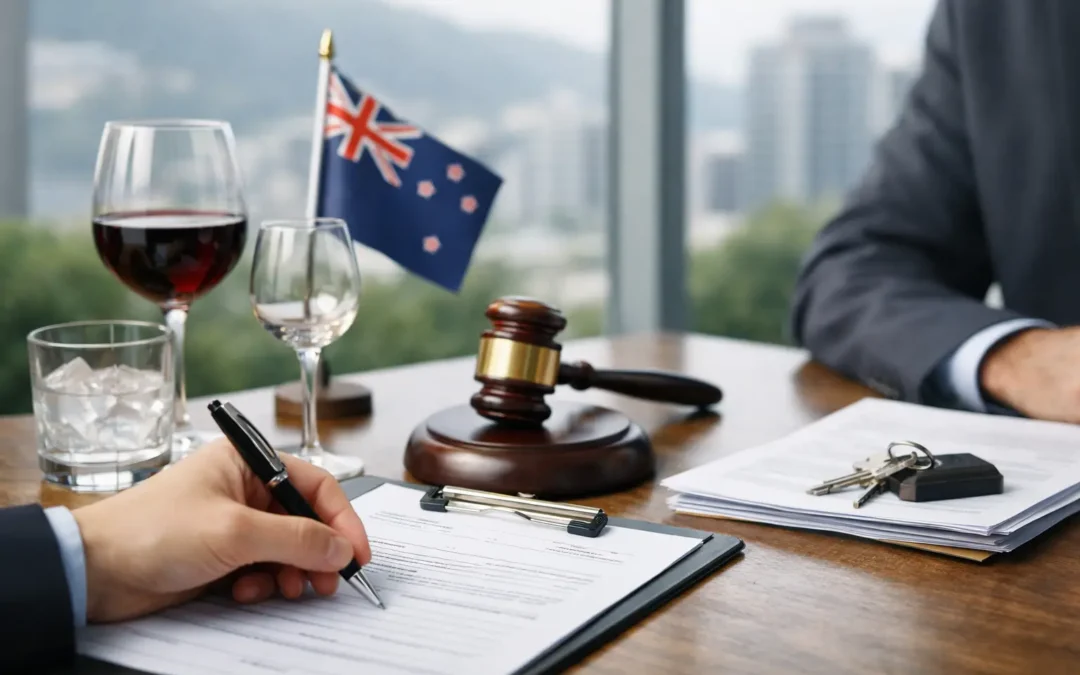
A great event can come unstuck well before the first drink is poured. If alcohol will be sold or supplied at a one-off function, festival, tasting, fundraiser or private event where guests pay in some way, the special licence application requirements NZ councils assess need to be sorted early. The paperwork is not just a formality. It is how the District Licensing Committee checks that your event can run safely, responsibly and without creating headaches for guests, neighbours or emergency services.
For hospitality operators and event organisers, the good news is that a solid application is very doable. The key is to treat it as an operating plan, not a last-minute admin job.
When you may need a special licence
A special licence is generally used for a particular event, at a particular place and for specified dates and hours. It can cover alcohol sold to the public, such as at a concert or ticketed dinner, as well as alcohol supplied at certain private functions.
The detail matters. A “free” drink can still form part of a sale or supply of alcohol if it is included in the ticket price, membership, meal, entry fee or another arrangement. BYO, club licences and existing on-licences can also change the picture. If you are unsure, check the event arrangement with the local council licensing team before you promote alcohol service.
A special licence is not a shortcut around a permanent licence. It is designed for genuinely occasional events. If you are regularly holding functions at the same venue, the council may want to discuss whether another licence type is more appropriate.
Special licence application requirements NZ organisers should prepare
Every territorial authority has its own form, fee schedule and local process, but most applications ask for the same practical information. The more clearly you provide it, the easier it is for reporting agencies and the District Licensing Committee to understand how the event will work.
Event details that match across every document
Start with the basics: the event name, address, dates, proposed trading hours, expected attendance, type of event and the person or organisation applying. These details need to match your venue booking, ticketing information, site plan and event management plan.
Small inconsistencies create avoidable questions. If your application says alcohol finishes at 10 pm but your social posts say midnight, expect the council to ask which one is correct. Build your run sheet around the proposed licence hours, including a realistic time for final drinks, clearing glasses and getting guests safely on their way.
A clear site or floor plan
Your plan should show where alcohol is sold or supplied, where it may be consumed and how people enter and exit. For a simple indoor function, that could be a floor plan showing the bar, seating, toilets, food area and exits. For a larger outdoor event, it may also need fencing, gates, security positions, first aid, stage areas, drinking-water stations and nearby residences or roads.
Make it easy to read. A fancy design is not the goal. The person reviewing it needs to see how you will control the licensed area and prevent alcohol moving into spaces where it should not be.
Certified manager arrangements
Alcohol service needs competent supervision. Your application will usually need to identify the certified manager or managers who will be on duty, along with their manager’s certificate details. For longer events, think through breaks, shift changes and what happens if someone is delayed or unwell.
A person with an LCQ is not automatically a certified manager. The LCQ is a key qualification step, while a manager’s certificate is issued by the relevant District Licensing Committee. This distinction catches out plenty of first-time organisers.
If your team needs training, Innovative Hospitality can help staff gain their LCQ through practical, supported learning that fits around hospitality shifts. But do not leave it until the week of the event. Training, assessment and the manager’s certificate process all take time.
Host responsibility and alcohol-management plan
This is where an application becomes a real-world safety plan. You need to show how your team will avoid serving minors, intoxicated people and anyone buying alcohol for a minor or intoxicated person.
Explain how staff will check ID, what acceptable ID looks like, where signs will be displayed and who makes the call when service needs to stop. Include food and non-alcoholic drinks that will be available, access to free water, transport options, security arrangements and the process for managing refusals.
For a small corporate dinner, this might be straightforward: table service, a limited beverage list, a meal, a certified manager on site and taxis available at the end of the night. For a festival or large sports event, the plan may need dedicated security, wristband systems, separate family areas, multiple food vendors, incident reporting and a clear response for intoxication or disorder.
It depends on the event risk. A DJ and late finish will usually need a different level of planning from a daytime winery lunch.
Evidence the venue and event are ready
Councils may ask for venue permission, a booking confirmation or evidence that you have the right to use the site. Depending on the location and scale, you may also need to consider resource consent, a council event permit, building compliance, food registration, noise controls, traffic management and public-liability insurance.
These are separate from the special licence, but they affect whether the event is workable. Do not assume the licence application covers every approval. If you are using a park, community hall, carpark or temporary marquee, check the wider event requirements early.
Apply early, especially for complex events
The legal application timeframe is commonly at least 20 working days before the event, but waiting until the minimum is risky. Councils need time to obtain reports from Police and the Medical Officer of Health, and they may come back with questions or request changes.
Late applications can mean extra fees, added stress or a refusal to process the application in time. Public holidays, summer event season and large-scale events can all slow things down. Give yourself more lead time if the event involves a new venue, high attendance, extended hours, outdoor service or a history of noise and disorder concerns in the area.
A useful rule is simple: work backwards from the event date, then allow time to fix gaps. Your certified manager availability, site plan, food provider, security contractor and transport plan should be confirmed before the application lands on the council desk.
Common mistakes that make applications harder
The biggest issue is vague information. “Security as required” or “food available” does not tell a reviewer how the event will be controlled. Name the provider, numbers of staff, service locations and the steps your team will take.
Another common problem is underestimating alcohol demand. If your event has 400 guests, a single small bar with one staff member is unlikely to support responsible service. Long queues encourage rushed decisions and make ID checks harder. Staff your bar for the crowd, the drinks you are serving and the pace of the event.
Organisers can also forget the end of the night. A good plan covers how alcohol service stops, how the site is cleared, how guests access safe transport and how intoxicated people will be managed with dignity and care. That is not about spoiling the fun. It is what lets everyone go home safely after a good one.
Set your event team up before service starts
A special licence application is only as good as the people working the event. Brief bar staff, supervisors, security and volunteers before doors open. Everyone should know the licence hours, licensed area, ID process, who the certified manager is and how to get help with a difficult refusal.
Keep the briefing practical. Walk the team through the site, point out water and food locations, explain the incident process and give staff permission to pause service when something does not look right. A calm, consistent response is far better than trying to solve a problem after it has escalated.
The paperwork may begin with a council form, but the real outcome is an event where guests feel looked after, staff know what to do and alcohol is part of the occasion rather than the risk that defines it.